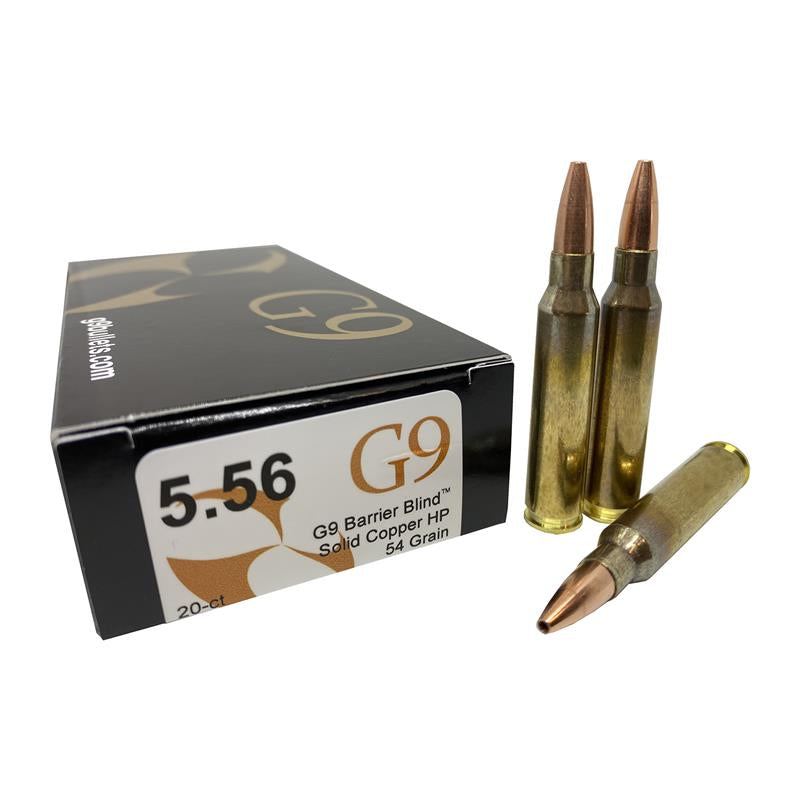
The Ammunition We Stand Behind
We don't carry G9 Defense to fill a shelf. We carry it because it's built to a standard most ammunition isn't — machined from solid metal, engineered to perform through barriers, and consistent enough to stake a duty load on. Here's why it's the round we recommend.
Why We Recommend It
Most defensive ammunition is still built the way it was fifty years ago: a soft lead core wrapped in a thin copper jacket. It works — until it's pushed. Through a windshield, through a car door, through heavy winter clothing, that jacket can peel off the core and the round loses its job halfway through.
G9 doesn't have that weak point because it doesn't have those parts. Every G9 projectile is machined from a single piece of solid copper. No jacket to separate. No core to deform. Nothing to come apart — no matter what it hits first.
What Makes It Different
- Solid copper, machined whole — no jacket to separate, no core to deform, nothing to come apart
- Non-expanding by design — it doesn't rely on expansion, so it can't fail to expand (the #1 way hollow points fail through barriers)
- Hydraulic fluid transfer — the patented shape forces a high-pressure wave through soft tissue, creating rifle-like wound channels from a pistol round
- Barrier-blind — punches through auto glass, plywood, and heavy clothing and keeps performing
- 51+ projectile patents — performance comes from engineered shape and metallurgy, not a 50-year-old lead-and-jacket design
- CNC-machined consistency — tighter, more repeatable tolerances than mass-cast bullets, for predictable groups and velocity
- No lead core — solid copper, legal where lead ammo isn't
What Independent Testing Found
You don't have to take our word for it — or G9's.
In 2021 the Texas Department of Criminal Justice, Office of the Inspector General, published a 9mm review built from years of ballistics testing. The testing was run by Viper Weapons Training, with personnel from the FBI, DHS, CBP, DoD, U.S. Marshals, and state and local law enforcement. No ammunition company was allowed in the room. Thirty different 9mm loads were tested — effectively every major duty round on the market.
G9's solid-copper design posted the largest permanent wound cavity of all thirty rounds tested — more than double the nearest premium hollow point.
It was also the only round in its class to pass through every light barrier with zero loss of performance, and to hold its path through auto glass and a steel car door without deflecting or breaking apart. The conventional hollow points it outperformed failed — fragmenting, tumbling, or refusing to expand — at rates between 20 and 35 percent.
Same engineering. Same solid-copper construction. That's what's in every box we carry.
G9 publishes the full Viper test results — including the gel photography — on their public testing page.
Who G9 Is
G9 didn't start as a company. It started as a problem one man had to solve.
Founder Joshua Mahnke was put in charge of a church security team — responsible for a crowded room full of people — and realized his team was carrying a mix of whatever ammunition they happened to own. He went looking for the best possible round for a packed, high-stakes environment. He dug through years of law enforcement after-action reports and found that every common bullet on the market had a serious shortcoming.
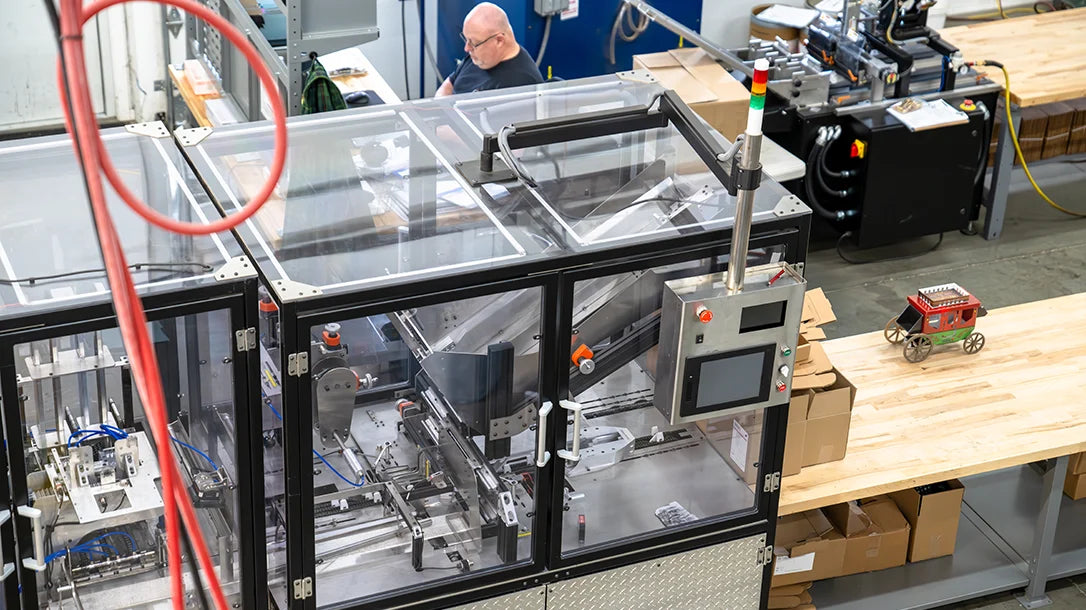
So he started building his own. The earliest designs were mounted on arrows and tested with a compound bow in his backyard. That work became 51+ patents and a factory in North Idaho. G9 is, at its core, an engineering company that happens to build the best ammunition we've found.
Common Questions
It's called a hollow point — but it doesn't expand?
Correct. The "hollow point" is the bullet's shape, not an expansion mechanism. Conventional hollow points are designed to mushroom open — and that's exactly what fails when they hit a barrier first. G9's solid-copper rounds don't expand. They drive a hydraulic pressure wave through soft tissue instead. Nothing to open means nothing to fail.
Isn't 80 grains too light for 9mm?
Grain weight is the wrong way to judge a copper round. Copper is less dense than lead, so matching a heavy lead bullet's weight would mean a longer bullet that won't feed reliably. G9 engineers for velocity and shape instead of weight — and independent testing backs up the result.
If it defeats barriers, won't it overpenetrate?
No. The same design that beats hard barriers decelerates fast in soft tissue. (About 3 inches of ballistic gel equals the resistance of human skin — so big gel numbers don't mean what people assume.) These rounds are built to stop in a soft target while still defeating what's in front of it.
In Store Now
Solid Copper · Barrier Blind · EHP
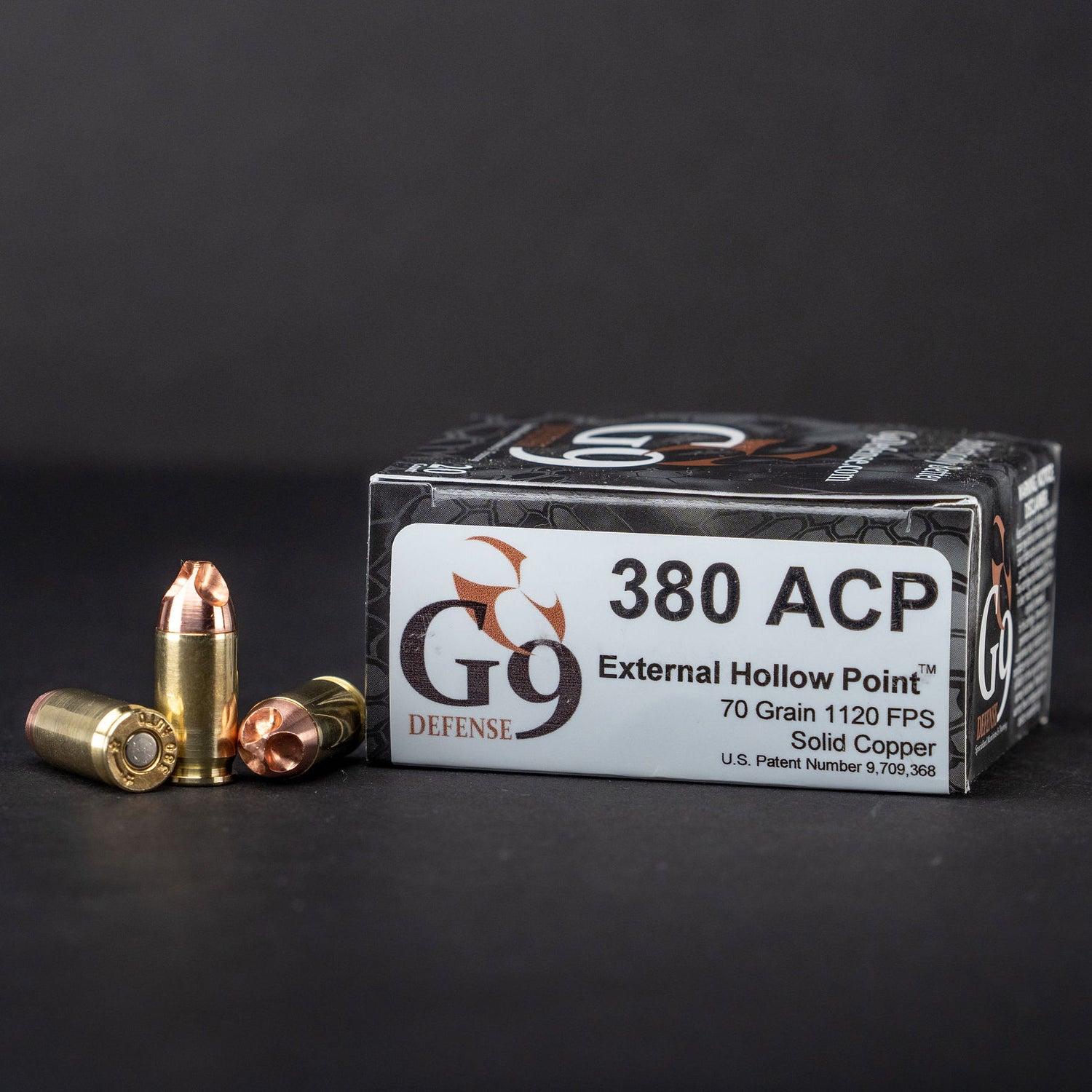
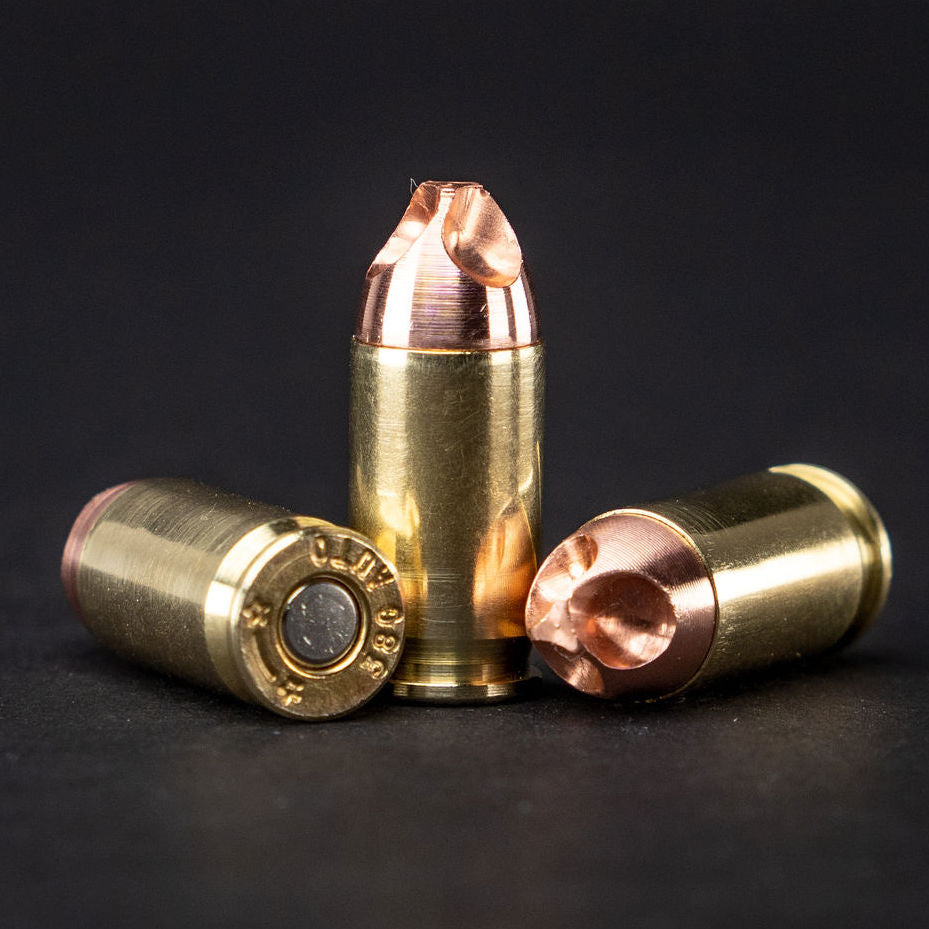
G9 Defense 380 ACP 70gr EHP (External Hollow Point)
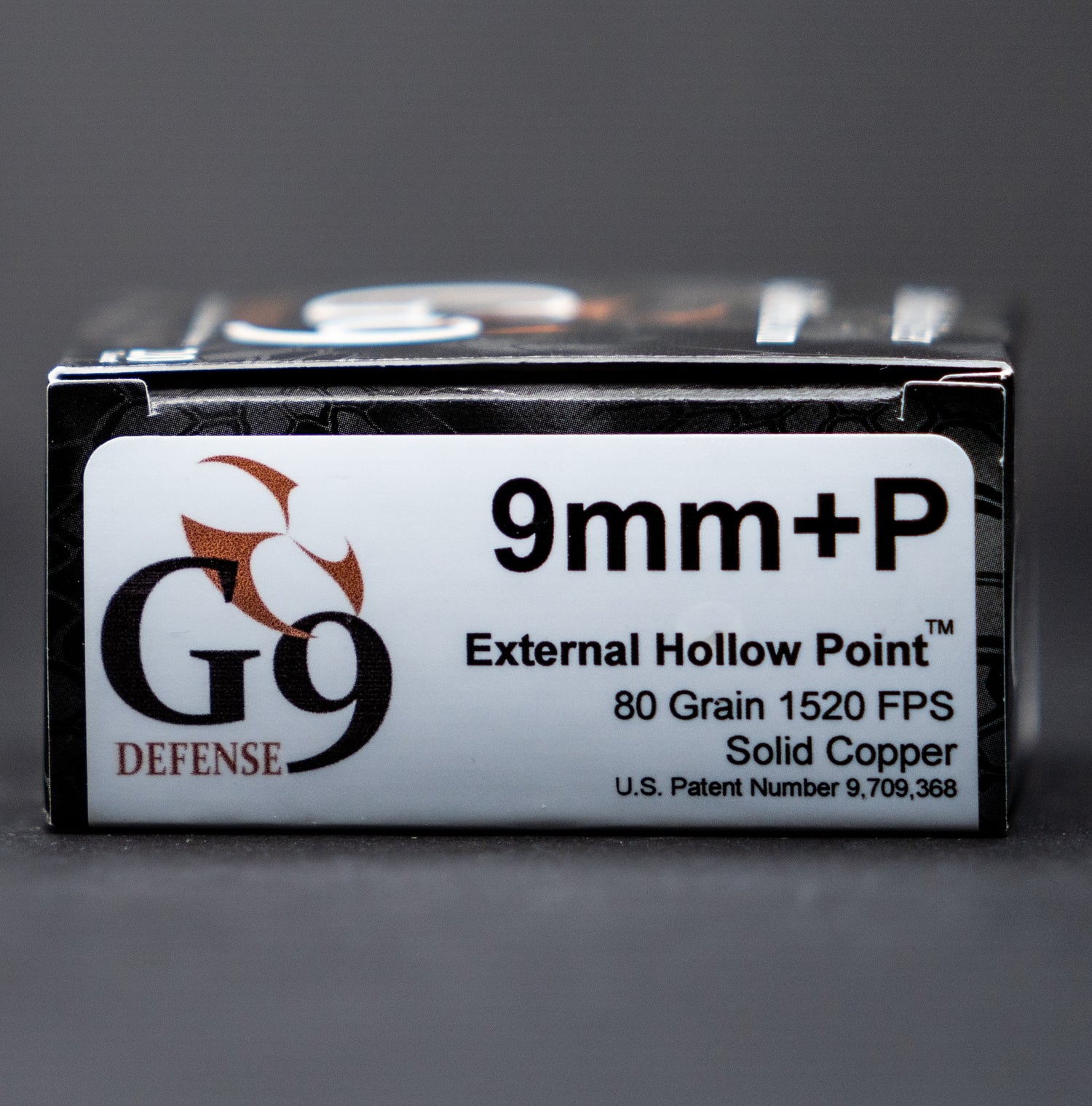
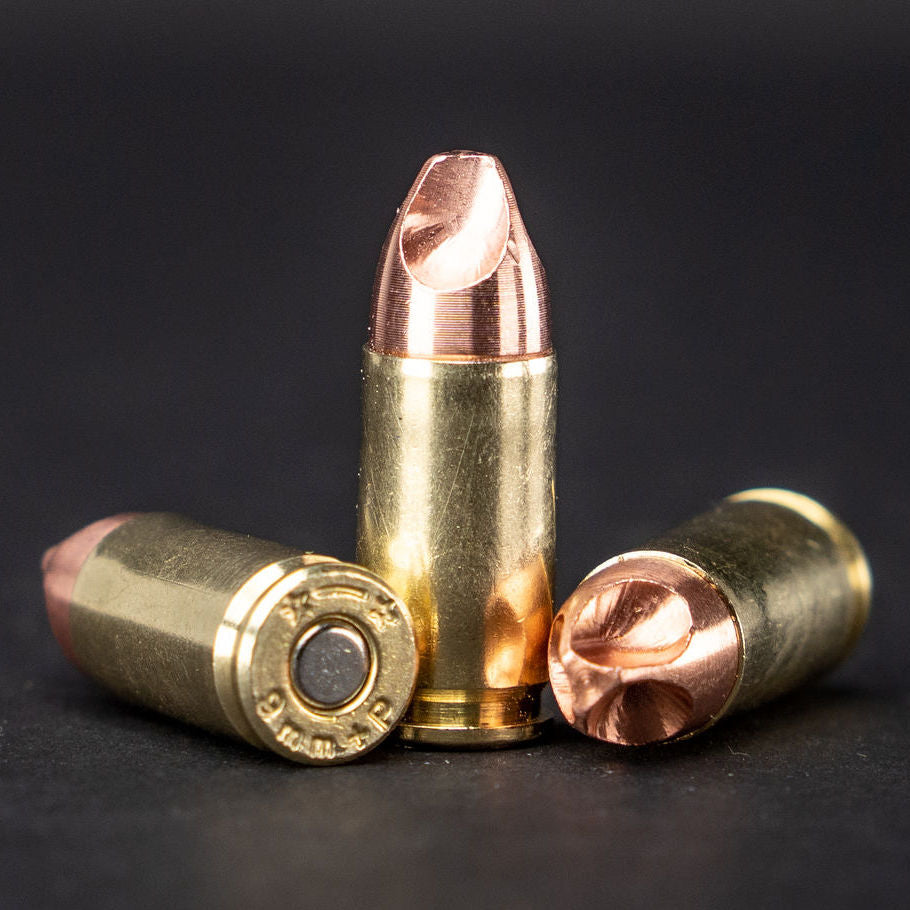
G9 Defense 9MM EHP (External Hollow Point)
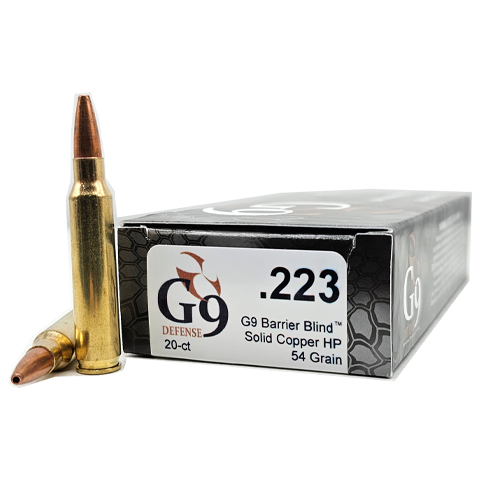
G9 Defense .223 Remington 54gr BBHP (Barrier Blind Hollow Point)